


What is vaginal atrophy?
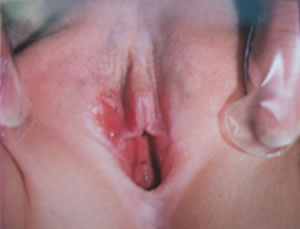
Before menopause, the skin and tissue around the vagina are soft and moist, due to the mucus produced by cervical glands. Estrogen affects these glands, and also has an effect on vaginal tissue, causing vaginal mucosa to be thicker and more elastic. Estrogen stimulates the cells of vaginal tissue to produce glycogen, which created a favourable environment for the growth of beneficial bacteria which protect vagina against infections.
After menopause, the ovaries produce less estrogen. Such a lack of estrogen results in vaginal tissue thinning and reduction in the number of glands that produce mucus. A significant reduction in the tissue around the genitals is also recorded.
Essentially, these changes in hormonal status make the vagina shorter and less elastic, whereas the surrounding skin becomes pale. These changes usually happen over the course of several months or years. The fact that these changes are individual should also be taken into consideration. Atrophic vaginitis is a medical term for the condition characterized by disturbing symptoms caused by such changes.
Symptoms of vaginal atrophy
The above mentioned changes are not always accompanied by symptoms. However, many women experience the following symptoms: painful sexual intercourses, discomfort, itching, burning sensation, a feeling of dryness, altered vaginal discharge and urinary problems (the need for urgent urination, frequent urinary infections).
Treatment
Treatment of vaginal atrophy is simple and efficient. It includes hormone replacement therapy and application of estrogen creams and gels. If, even with the administration of such a treatment, the symptoms persist, it is necessary to do a biopsy of the altered mucosa. This will either eliminate or confirm a suspicion of Lichen sclerosus or cancer.
Related article: What is Lichen Sclerosus…